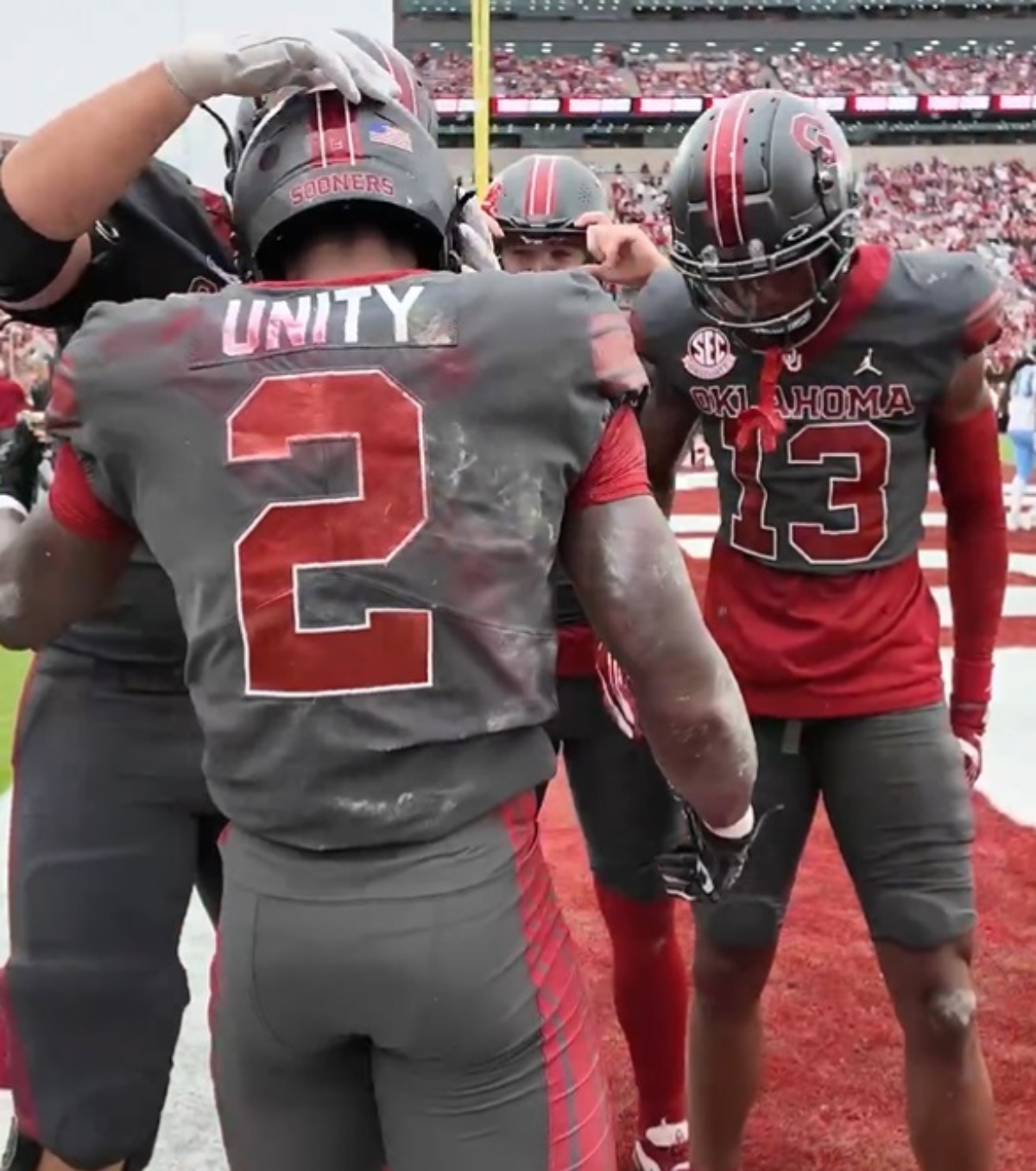
Oklahoma’s long-anticipated debut in the Southeastern Conference came with an undeniable dose of reality. The Sooners, entering their first year in college football’s most physical and demanding league, wrapped up the 2024 season with a 6–7 overall record and a 2–6 mark in SEC play. A narrow loss to Navy in the Armed Forces Bowl closed the book on a campaign that offered glimpses of promise but was ultimately defined by inconsistency and missed opportunities.
For head coach Brent Venables, now three years into his tenure, the move to the SEC underscored just how slim the margin for error becomes when every Saturday feels like a playoff test. The Sooners showed fight. They showed potential. But they also showed they’re still building toward the level of execution and physical dominance that defines the upper tier of the conference.
Marquee Moments & Missed Chances
If there’s one thing the 2024 season made clear, it’s that Oklahoma can rise to the occasion—but sustaining that level is a different challenge.
The high point came on November 23 in Norman, when the Sooners stunned Alabama with a 24–3 victory that sent shockwaves through the league. It was a total team performance—relentless defense, timely offense, and a crowd that felt every bit like the twelfth man. That game showed what the Sooners are capable of when the pieces come together.
Earlier in the season, Oklahoma secured a gritty 27–21 road win at Auburn—a signature SEC road victory that required poise, toughness, and a handful of clutch plays late. But for every peak, there was a valley.
The Red River Rivalry, always circled in crimson and burnt orange, was anything but competitive this time around. Texas, ranked No. 1 at the time, steamrolled the Sooners 34–3 at the Cotton Bowl, controlling every facet of the game. The sting of that loss set the tone for a tough October stretch.
A November 9 matchup against Missouri proved to be one of the most frustrating losses of the season. Despite holding a 9–3 lead at halftime, the Sooners turned the ball over four times—including three lost fumbles—and watched the game slip away in a 30–23 defeat. Then came the postseason letdown: a 21–20 loss to Navy in the Armed Forces Bowl, where Oklahoma once again struggled to finish drives and paid the price for a missed extra point.
Stat Leaders and Standouts: A Changing of the Guard
While the 2024 season featured several key individual performances, the Sooners now face a much different reality entering 2025. Many of the team’s top statistical contributors have departed via the transfer portal, leaving behind a reshuffled roster and a wide-open depth chart.
Quarterback Jackson Arnold showed flashes of the five-star talent that made him one of the most heralded recruits in recent years. In his first full season of significant action, he accounted for 16 total touchdowns—12 through the air, three on the ground, and even one as a receiver. His dual-threat ability brought a spark to the offense, and his leadership gave the Sooners a clear face at the quarterback position. However, turnover problems and questions about leadership hung over him throughout the season. Arnold has since transferred to Auburn, leaving Oklahoma with a major decision under center in 2025.
Tight end Bauer Sharp emerged as the team’s most consistent receiving option, leading the Sooners with 42 receptions for 324 yards and two touchdowns. His ability to find space over the middle and serve as a security blanket on third downs made him a valuable asset in a conservative passing attack. Sharp’s development was one of the season’s biggest bright spots—but he has also moved on, transferring to LSU.
J.J. Hester offered a deep threat when given opportunities, averaging a team-high 22.5 yards per catch and finishing the season with 315 yards and a touchdown. Though used sparingly, his big-play potential was evident. He, too, exited the program and will suit up for Kentucky in 2025.
Running back Gavin Sawchuk battled injuries throughout the year but still contributed 128 rushing yards and a touchdown over nine games. His burst and vision provided another layer of potential in the backfield, but he has since transferred to Florida State.
The only key contributor remaining from that core group is Jovantae Barnes, who totaled six touchdowns—five rushing and one receiving—and will likely take on an expanded role in 2025. His return offers at least one piece of continuity in what has otherwise become a full-scale offensive reset.
In short, the Sooners head into 2025 with a blank canvas. While the departures sting from a talent and experience perspective, they also open the door for new leadership to emerge. Whether that includes incoming transfers, redshirt freshmen, or true freshmen remains to be seen—but the opportunity is there, and the stakes are high in Year Two of SEC play.
Team Metrics Tell the Story
The numbers from 2024 paint a clearer picture of where Oklahoma was effective—and where it must improve.
- Points Per Game: 24.0
- Points Allowed Per Game: 21.5
- Total Offense: 331.0 yards/game
- Total Defense: 318.2 yards allowed/game (21st nationally)
- Passing Offense: 175.8 yards/game
- Passing Defense: 218.4 yards allowed/game
On the surface, the Sooners outgained their opponents on average and held a respectable scoring margin. But beneath that lies a more nuanced story: while the defense showed real progress—especially compared to previous seasons—the offense often failed to capitalize on field position or finish in the red zone. The passing game, despite early promise, was more methodical than explosive, and too many drives stalled before producing points.
On defense, the unit quietly ranked among the top 25 nationally in total yardage allowed, holding opponents to just over 318 yards per game. The performance against Alabama was the pinnacle of that effort, but consistency in coverage and tackling remained a week-to-week issue, particularly against teams with balanced attacks.
Lessons to Carry Forward
Oklahoma’s first SEC campaign offered more than just experience—it offered a checklist of what must change in order to compete for titles in this new landscape.
1. Win the Trenches More Consistently
Physicality matters more than ever. The Sooners must continue to add size, strength, and depth on both lines of scrimmage.
2. Finish Drives, Not Just Flashes
Offensive efficiency needs to improve. Too many yards went unconverted into points.
3. Limit Costly Mistakes
Turnovers and special teams miscues flipped momentum in multiple games. Cleaning up execution in critical moments is a must.
4. Build Around Emerging Stars
While Oklahoma’s 2024 campaign ended with key players heading for the exit, a new core is beginning to take shape—one built around returning talent and high-impact transfers who are ready to step in and lead.
Jovantae Barnes returns for his senior season as the most experienced offensive weapon on the roster. A powerful and patient runner, Barnes has been through the grind of SEC play and will be asked to carry a heavier load this fall. His physical style and leadership make him a natural tone-setter for a backfield that’s undergoing a major transition.
Adding firepower alongside Barnes is Jaydn Ott, a transfer from Cal who brings both production and explosiveness to Norman. Ott eclipsed the 1,000-yard rushing mark in 2023, and has the vision, burst, and versatility to make an immediate impact. His presence gives the Sooners a legitimate feature-back tandem.
John Mateer, a transfer quarterback from Washington State, steps into a wide-open QB room with to seize the starting job. Mateer is a strong-armed, mobile signal-caller with a blue-collar mentality—traits that fit well with Brent Venables’ identity-driven approach. With Jackson Arnold now at Auburn, Mateer’s ability to adapt quickly could be pivotal in determining Oklahoma’s 2025 offensive ceiling.
Out wide, Deion Burks is finally healthy and poised to make the leap many expected when he transferred from Purdue. He battled injuries throughout 2024, but when available, his top-end speed and quick-twitch explosiveness stood out. If Burks can stay on the field, he could become the go-to option in the passing game and one of the most dangerous weapons in the conference.
Together, Barnes, Ott, Mateer, and Burks represent a new-look offensive nucleus—one built not on continuity but on upside. If this group gels, Oklahoma could surprise in 2025. The foundation is there. Now it’s about building rhythm, chemistry, and consistency against the most grueling schedule in college football.
What’s Next?
The Sooners are no longer guests in the SEC—they’re full-time residents. The 2024 season was a reality check, but also a necessary first step. With a stronger understanding of what the conference demands, a maturing roster, and a coaching staff making offseason adjustments, Oklahoma enters 2025 with clearer expectations and a more battle-tested foundation.
The future remains unwritten—but now, the Sooners have the scars and the blueprint to shape it.
Follow us on Instagram