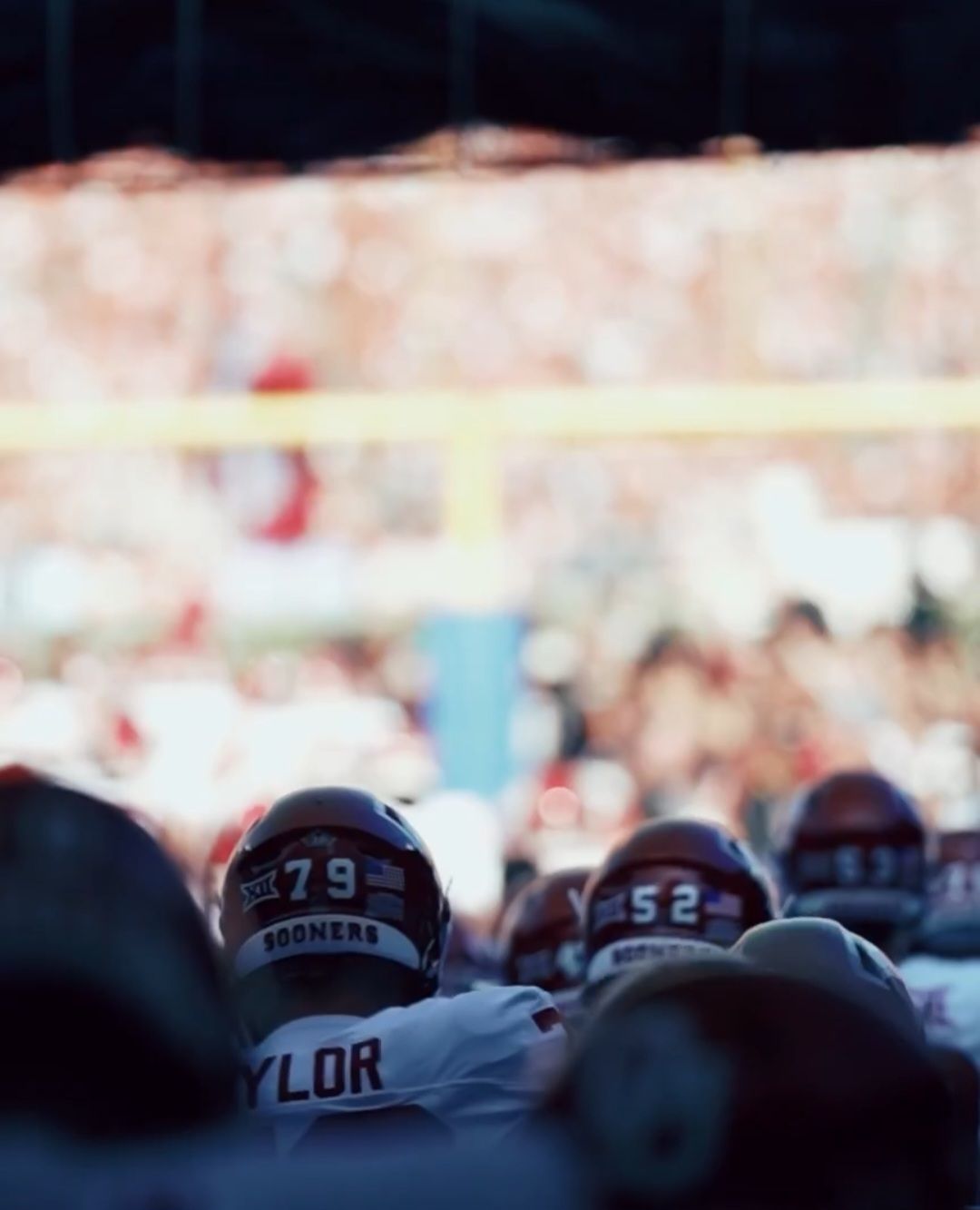
Saturday’s Red River Rivalry may look like a marquee matchup on paper, but the narrative behind it tells a different story: two defenses primed to shut down offense, a quarterback question looming, and a betting line that underestimates just how much Oklahoma’s strengths align with this kind of game. With Oklahoma bringing one of the country’s stingiest defenses to Dallas, and Texas also fielding a physically imposing unit, this game could very well be decided by field position, turnovers, and a few critical plays. In a clash like that, the edge goes to the team built for that style—and that, in my mind, is Oklahoma.
The Sooners enter with the nation’s No. 2 scoring defense, surrendering barely more than 7 points per game to opponents. Meanwhile, Texas’ defense has generally held opponents to modest offensive outputs, though its unit took some hits in last weekend’s loss to Florida. Both teams know this is not going to be a shootout. The total is set at 42.5 points, a remarkably low number that suggests oddsmakers expect a slog, not a fireworks display. In that environment, every stop matters. Every three-and-out is a potential win. And every turnover can be game-changing.
Oklahoma’s edge comes in depth, situational execution, and the capability to control tempo. If John Mateer is able to play, even in a limited capacity, it gives them a chance to open things up just enough to keep Texas honest. But if he sits, Michael Hawkins Jr. is a capable caretaker. He doesn’t need to light up the scoreboard—he needs to manage it. And the Sooners’ defensive front is capable of generating pressure, disrupting Texas’ pass protection, and forcing Arch Manning into tight windows.
Texas opened as a 3.5-point favorite, largely because of uncertainty around Mateer’s health. Even though, the spread is down to OU being 1.5-point dog, that hesitation gives Oklahoma’s underdog status a boost. A defense-first mindset, a proven track record of holding down big opponents, and an offense built on toughness and complementary football can narrow the margin—making a 23–17 Oklahoma win not only believable, but a sharp cover.
To cover versus Texas, Oklahoma must dominate the narrative in three domains: defense, turnovers, and field position.
Oklahoma’s defensive numbers speak for themselves: top national ranking in scoring defense, stingy opposing yardage, and consistency week after week. Texas, though solid defensively, has had to lean on stops more than big plays recently. The Longhorns allowed 29 points in their loss to Florida and have shown cracks in pass protection under pressure. The matchup favors Oklahoma: pressure the quarterback, force hurried throws, and make every third-down run or pass a gut-check moment.
Texas’ defense will push back. They have talent in their linebacking corps and front seven. But in a game where possessions are precious and open field is rare, Oklahoma’s ability to manage drives and stay disciplined could tilt the balance.
In tight games, the turnover battle is often the deciding factor. If Oklahoma can snag even one or two — interception, forced fumble, a tipped pass — those extra possessions become gold in a low-scoring contest. Texas has seen games where its offense was pushed off its spot by negative plays or penalties, and that’s where Oklahoma must pounce.
When defenses are locking down offense, special teams and field position take on magnified importance. Oklahoma has quietly improved in its returns, punting game, and coverage units. If they can flip the field consistently, pin Texas deep, and avoid giving up big returns, that margin can accumulate into a points differential even before the offense scores.
Texas may try to hold serve with its own return game and aggressive schemes, but in a battle of attrition, Oklahoma’s disciplined units have the better track record.
Why the Spread Makes Sense for Oklahoma
Let’s break down why a 23–17 Sooner win is a realistic scenario—and why covering the spread is not only possible, but arguably the better bet.
- Edge in defensive consistency: Oklahoma’s defense doesn’t fluctuate wildly. They win low-scoring games because they refuse to collapse.
- Question mark at QB tilts towards underdog value: Mateer’s health uncertainty is baked into the line. If he’s limited, the same line becomes generous.
- Familiarity with physical style: Oklahoma has played with a tougher, more physical brand under Venables. When nights turn messy, those teams are more comfortable.
- Texas’ offense has shown vulnerability: Pass protection and consistency issues create opportunities for disruption.
- History of tight Red River games: Despite blowouts like Texas’ 34–3 win last year, many past matchups have come down to a single possession. In those, the more disciplined, less mistake-prone team often wins.
Yes, the possibility of a shootout always lingers in rivalry games. But the total suggests otherwise. The line factored in offensive concern, especially with Mateer’s status. Oftentimes oddsmakers account for the narrative more than the pure matchups — here, they’ve leaned into the defense.
Oklahoma’s path to covering isn’t automatic. Texas has the weapons — receivers, tight ends, and a quarterback who can make tough throws under duress. If Texas forces Oklahoma to win with jump balls or third-and-long throws, that’s a stretch. If Oklahoma self-destructs with penalties, blown assignments, or missed tackles, that spread will loom large.
Also, if Mateer can’t or shouldn’t fully test his hand in warmups, Oklahoma may have to pivot mid-game. Coaching decisions, adaptation, and resilience will matter more than any pre-game prediction.
And rivalry games possess an emotional element — momentum swings, crowd noise, surprise plays. Those can erase advantages quickly. But Oklahoma is better equipped for that chaos: their defense is battle-tested, their identity is built for scars, not flash.
Prediction: Oklahoma 23, Texas 17 — Cover Achieved
In a game dictated by stops rather than touchdowns, I believe the Sooners have just enough in their toolkit to win and cover. Oklahoma forces two turnovers, controls time of possession, and grinds out points in the trenches. Texas, despite its firepower, never finds rhythm consistently enough to pull away.
A 23–17 Oklahoma win encapsulates what this game will likely feel like: tense, low-scoring, and decided by the whiffs more than the highlights. Watching Oklahoma cover in Dallas would be a statement — a reminder that this program isn’t chained to one player. It can win the hard way, the smart way, and the kind of way that matters most when the lights are brightest.
In a game of attrition, that small edge may be the difference.
Matt Hofeld is a college football & softball analyst and contributor covering the SEC. Follow him for more Oklahoma and conference-wide analysis throughout the 2025 season.
Follow us on Instagram & Facebook