If there’s one thing both of our preseason ballots made abundantly clear, it’s that the Big 12 has a definitive pecking order at the top of the conference’s defensive line rankings.
After independently ranking all 16 defensive line units entering the 2026 season, Zack and I combined our ballots using a simple 16-point voting system—16 points for a first-place vote, 15 for second, all the way down to one point for 16th—to create a consensus ranking.
The result? Three teams have clearly separated themselves from the rest of the conference.
Zack
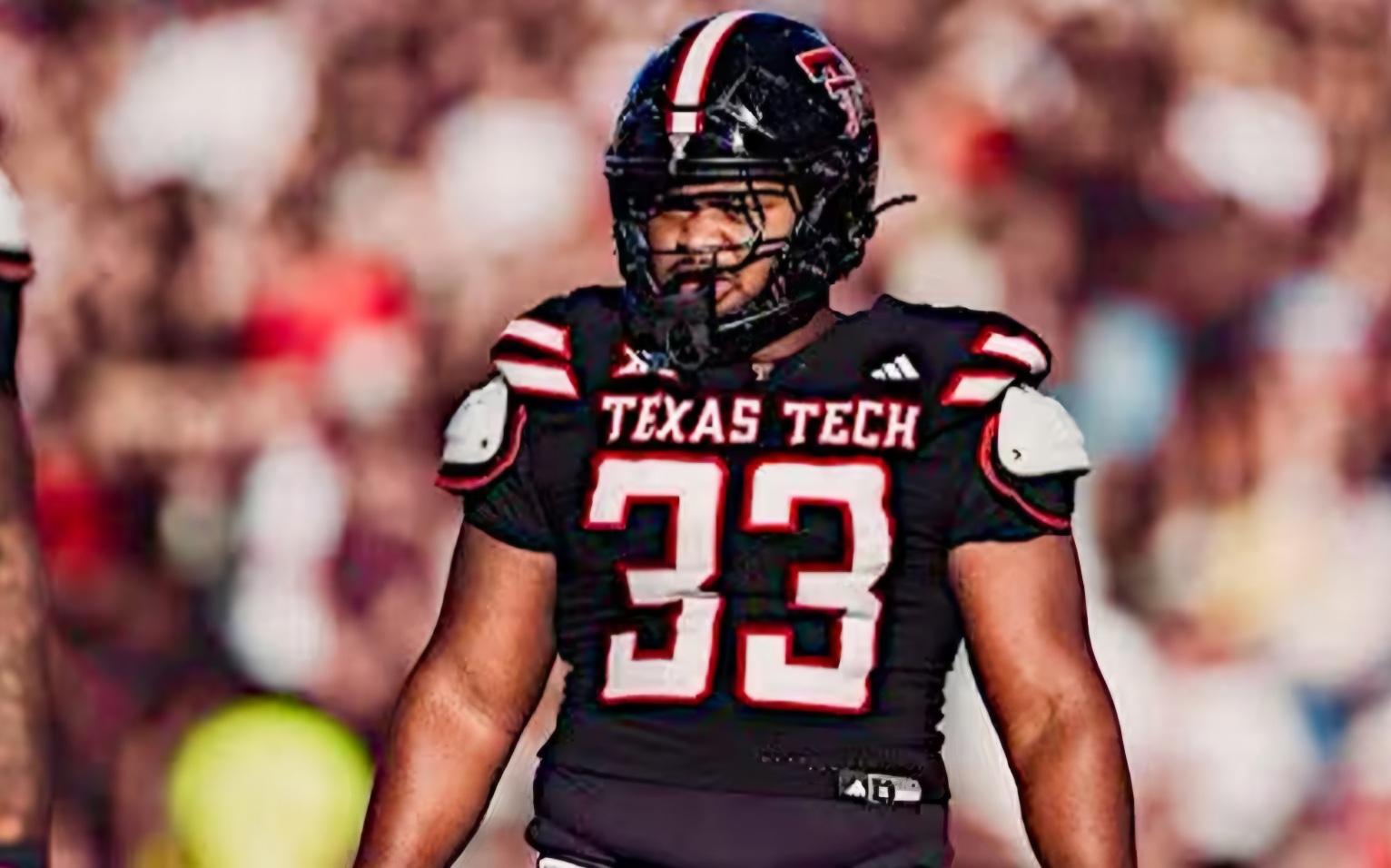
1. Texas Tech | As one of the top units in the entire country, the Red Raiders sit atop the Big 12 defensive line rankings easily. Tech allowed the fewest rushing yards per game by a wide margin one season ago, and they expect to do the same this season. A.J. Holmes Jr. is the Preseason All-Big 12 Defensive Player of the Year, and transfer Adam Trick is also a preseason pick for All-Big 12 Defense. Trey White is another transfer that could easily give the Red Raiders a third-All-Big 12 selection.
2. BYU | The Cougars return a very experienced front line for 2026 led by senior and Preseason All-Big 12 Selection Keanu Tanuvasa. BYU had the 2nd-best rushing defense last season, and they should be an impenetrable force.
3. Arizona State | The Sun Devils return a couple of seniors in C.J. Fite and Zac Swanson at the interior tackle positions, and they add a couple transfers at the edge positions. If Arizona State wants to emerge from the middle of the pack this season, they are going to rely heavily on this group.
4. Arizona
5. Kansas State
6. Iowa State
7. TCU
8. UCF
9. Baylor
10. Oklahoma State
11. Houston
12. Utah
13. West Virginia
14. Kansas
15. Colorado | The Buffaloes were dead last in rushing defense in the Big 12 last season, and despite bringing in basically a brand new defense, I don’t know if they’re going to magically transform over night. By proxy, I don’t expect the defensive line to be that great.
16. Cincinnati | The Bearcats lack a true playmaking star on the defensive line, and while they return several guys from last season, they weren’t exactly good in 2025.
Matt
1. Texas Tech | The Red Raiders enter 2026 with the Big 12’s premier defensive front after a conference championship and College Football Playoff appearance. Led by reigning Big 12 Preseason Defensive Player of the Year A.J. Holmes Jr., the Red Raiders combine elite interior production with quality transfer additions, giving them the league’s deepest and most disruptive defensive line.
2. BYU | Continuity is BYU’s biggest strength. The Cougars return the overwhelming majority of last season’s snaps up front, creating one of the nation’s most experienced defensive line units. That veteran presence, combined with a physical brand of football, makes BYU one of the toughest teams in the conference to run against.
3. Arizona State | Arizona State has built its defense around a physical, hard-nosed front led by All-Big 12 standout C.J. Fite. The Sun Devils’ ability to generate pressure while controlling the line of scrimmage gives them one of the conference’s most balanced defensive line groups entering the season.
4. Kansas State
5. Utah
6. Houston
7. Oklahoma State
8. Arizona
9. Colorado
10. West Virginia
11. Iowa State
12. TCU
13. Kansas
14. Cincinnati
15. UCF | The Knights have intriguing athleticism and plenty of upside, but they lack proven Power Four production along the defensive front. Until the young rotation gains experience against Big 12 competition, questions remain about its ability to consistently hold up against the conference’s more physical offensive lines.
16. Baylor | Baylor enters the season with the conference’s biggest rebuilding project along the defensive line. With several new starters expected to play major roles, the Bears have potential for long-term growth but enter 2026 as the Big 12’s least proven unit in the trenches.
Consensus Big 12 Defensive Line Rankings
| Rank | Team | Points |
|---|---|---|
| 1 | Texas Tech | 32 |
| 2 | BYU | 30 |
| 3 | Arizona State | 28 |
| 4 | Kansas State | 24 |
| 5 | Arizona | 21 |
| T-6 | Iowa State | 16 |
| T-6 | Utah | 16 |
| T-8 | TCU | 14 |
| T-8 | Oklahoma State | 14 |
| 10 | Houston | 13 |
| T-11 | UCF | 10 |
| T-11 | Baylor | 10 |
| 13 | West Virginia | 10 |
| 14 | Kansas | 6 |
| 15 | Colorado | 9 |
| 16 | Cincinnati | 3 |
The Clear Top Tier
There wasn’t much debate at the top.
Texas Tech earned a perfect 32 points after receiving both first-place votes, solidifying the Red Raiders as the conference’s premier defensive front heading into the season. Coming off a Big 12 championship and College Football Playoff appearance, Joey McGuire’s defensive line is loaded with proven production, led by reigning Big 12 Preseason Defensive Player of the Year A.J. Holmes Jr.
BYU followed closely behind in second after earning two second-place votes. The Cougars return one of the nation’s most experienced defensive fronts, and their continuity makes them one of the safest bets to dominate the line of scrimmage in 2026.
Arizona State completed the unanimous top three. The Sun Devils’ veteran interior, headlined by C.J. Fite, gives Kenny Dillingham one of the conference’s most balanced defensive line groups.
While Kansas State narrowly missed joining that elite tier, the Wildcats were comfortably slotted fourth overall, appearing fourth on one ballot and fifth on the other.
Where the Rankings Diverged
Although there was broad agreement at the top, the middle of the conference produced several fascinating disagreements.
No team generated a larger divide than Utah.
I ranked the Utes fifth based on the long-standing success of Morgan Scalley’s defensive system and Utah’s reputation for developing physical defensive linemen. Zack, however, slotted them 12th, believing roster turnover creates too many unanswered questions entering the season.
The opposite happened with UCF and Baylor.
I viewed both programs as bottom-tier defensive line units entering the year, placing UCF 15th and Baylor 16th. Zack was considerably more optimistic, ranking the Knights eighth and the Bears ninth thanks to their athletic upside and potential to outperform expectations.
Colorado also sparked a sizable disagreement. I saw enough improvement through the transfer portal to rank the Buffaloes ninth, while Zack remained skeptical after Colorado finished last in the conference against the run a season ago, placing them 15th.
Houston, Iowa State and TCU also highlighted differing evaluation philosophies. I leaned toward proven depth and established defensive systems, while Zack rewarded upside, individual talent and schematic potential.
What the Consensus Tells Us
The rankings reveal a conference divided into distinct tiers.
Texas Tech, BYU and Arizona State have established themselves as the Big 12’s premier defensive line units. All three possess proven stars, veteran leadership and enough depth to impact every game they play.
Kansas State stands alone as the clear fourth-best unit, giving the Wildcats an opportunity to challenge the conference’s elite if their young talent continues to develop.
After that, however, things become far less certain.
From Arizona at No. 5 through Houston at No. 10, there’s very little separation between the teams. A strong September or an unexpected breakout player could completely reshuffle that portion of the rankings before conference play even reaches the halfway point.
The lower third of the conference also feels more competitive than the rankings suggest. While Cincinnati finished last in the consensus poll and Colorado landed 15th, both teams have enough new faces and transfer additions to outperform their preseason expectations if those pieces come together quickly.
Ultimately, that’s what makes preseason position rankings so intriguing. They provide a snapshot of where every program stands entering fall camp, but they’re also a reminder that development, injuries and breakout performances often reshape the conversation by October.
If the consensus rankings tell us anything, it’s this: the Big 12 has a clear top tier in the trenches, but the battle for the middle of the conference could be one of the most competitive races in college football during the 2026 season.
One Reply to “2026 Big 12 Football Preseason Position Rankings | Texas Tech Headlines The Defensive Line”