By any reasonable measure, Tuesday, January 6, 2026, qualified as one of the more chaotic—and consequential—days of the offseason for Oklahoma football. In a matter of hours, the Sooners both fortified and fractured their wide receiver room, added needed defensive line depth, and reaffirmed a broader roster philosophy that has defined their first full offseason navigating the SEC-era transfer portal.
When the dust settled, Oklahoma emerged with two notable additions—former Texas wide receiver Parker Livingstone and UTSA defensive lineman Kenny Ozowalu—while also absorbing the sting of losing starting wide receiver Javonnie Gibson and young pass catcher Ivan Carreon. It was a snapshot of modern college football roster management: losses and gains intertwined, urgency matched with opportunism.
For Brent Venables and his staff, the activity wasn’t reactive panic. It was calculated roster construction.
A Statement Addition at Wide Receiver
The most headline-grabbing move of the day came with Parker Livingstone’s commitment. Any transfer across the Red River rivalry draws attention, but Livingstone’s decision carried substance beyond the symbolism.
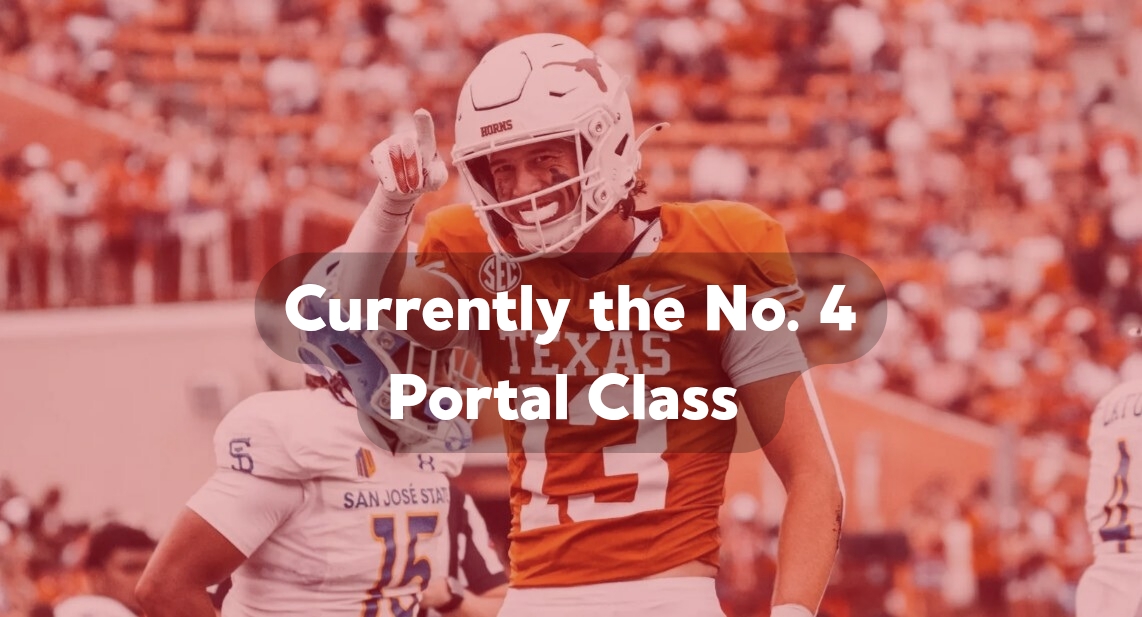
Livingstone arrives in Norman after a productive 2025 season at Texas, where he caught 29 passes for 516 yards and six touchdowns. He wasn’t just a rotational target—he was a consistent red-zone threat and vertical option in a loaded Longhorns receiver room. At Oklahoma, his role projects to be larger and more immediate.
The timing matters. Gibson’s portal entry created uncertainty at the top of the depth chart, and Oklahoma’s receiver room has been in a constant state of flux over the last two seasons due to injuries, transfers, and NFL decisions. Livingstone brings experience, polish, and—perhaps most importantly—availability. With three years of eligibility remaining, he’s not a short-term rental.
From a football standpoint, Livingstone fits what Oklahoma needs in 2026. He’s a fluid route runner with enough size to win contested catches and enough speed to stretch coverage vertically. He’s also shown the ability to produce against top-level competition, something the Sooners value as they continue adjusting to weekly SEC defensive depth.
From a recruiting standpoint, this was a significant win. Indiana pushed hard and hosted Livingstone on a visit shortly before his commitment, but Oklahoma’s pitch—early playing time, system fit, and offensive stability—won out. Beating multiple Power Five programs, including an in-conference rival, underscored the staff’s efficiency in portal evaluations.
Ozowalu Brings Needed Grit Up Front
While Livingstone grabbed the spotlight, Kenny Ozowalu’s commitment may prove just as impactful over the course of the season.
The UTSA defensive lineman recorded 17 tackles, six tackles for loss, and three sacks in 2025, numbers that don’t necessarily scream dominance but reflect consistency and versatility. Ozowalu has experience lining up both inside and on the edge, a trait Oklahoma badly needs after heavy defensive line attrition through the portal and graduation.
Oklahoma’s defensive front is in transition. Several contributors exhausted eligibility, while others sought opportunities elsewhere. Ozowalu doesn’t arrive as a guaranteed starter, but he fills a critical rotational role and raises the floor of the unit. In the SEC, depth isn’t a luxury—it’s survival.
The recruiting battle here was fierce. Multiple SEC programs pursued Ozowalu, including Texas, which hosted him on a visit the same weekend as Oklahoma. The Sooners moved decisively after his campus visit, and the quick close reflected how clearly Ozowalu fit their defensive blueprint.
The Cost of Modern Roster Churn
Of course, portal wins never come without losses.
Javonnie Gibson’s departure stung the most. Projected by many as a foundational piece of the 2026 passing game, Gibson started most of the 2025 season and emerged as a reliable option in key moments. With one year of eligibility remaining, his decision to enter the portal reflects both opportunity elsewhere and the harsh reality of competition within Oklahoma’s receiver room.
Ivan Carreon’s exit, while quieter, also matters. The young wideout still has two seasons of eligibility and represented developmental upside. His departure further illustrates the staff’s challenge: balancing immediate needs with long-term roster continuity.
Still, Oklahoma anticipated receiver turnover. That reality made the additions of Livingstone—and earlier portal target Trell Harris—less about luxury and more about necessity. Stabilization, not surplus, is the goal.
Transfer Class Momentum
With Tuesday’s additions, Oklahoma’s transfer portal class surged to No. 4 nationally according to both 247Sports and On3. Within the SEC, the Sooners sit No. 1 on 247Sports and No. 2 on On3, trailing only Ole Miss.
The numbers matter, but context matters more. Oklahoma has now added nine transfers, a mix of four-star talents and proven veterans, addressing needs across the roster rather than chasing headlines. Livingstone, ranked as the No. 16 wide receiver available in the portal, headlines the class, but he’s far from the only impact piece.
What’s notable is how targeted the class has been. Rather than overcorrecting for departures, the staff has focused on experience, versatility, and immediate usability. That approach reflects lessons learned from earlier portal cycles.
What Comes Next
Despite the momentum, Oklahoma’s work is far from finished.
Linebacker depth looms as the most pressing concern. Kobie McKinzie’s transfer already thinned the unit, and Kip Lewis’s pending NFL Draft decision could further strain numbers. Michigan linebacker Cole Sullivan has emerged as a top target, with Oklahoma positioning itself as a serious contender should he choose to leave Ann Arbor.
The offensive line remains another priority. Losing six linemen to the portal—including Jacob Sexton and Jake Taylor—forced a reset. Additions like Caleb Nitta and E’Marion Harris help, but the Sooners may pursue one more veteran body to protect quarterback John Mateer, whose development remains central to the 2026 outlook.
At wide receiver, the staff continues to monitor underclassman Isaiah Sategna III. His decision to stay or explore the portal could dictate whether Oklahoma makes one final push for a veteran playmaker before the window closes.
Deadlines Driving Decisions
Two looming dates add urgency to every move.
The transfer portal closes January 16, marking the end of the only window for 2026 eligibility. Meanwhile, the NFL Draft declaration deadline on January 14 could reshape Oklahoma’s priorities overnight. Every stay-or-go decision ripples through the board.
For now, the Sooners remain active, hosting visitors and working contingency plans. The goal is clear: exit the portal window with a roster that’s not just talented, but balanced.
Big Picture
Tuesday’s “Monday Mayhem” aftermath offered a clear snapshot of Oklahoma football in 2026—fluid, aggressive, and intentional. The Sooners didn’t just react to losses; they countered them with purpose. In an era where roster stability is elusive, Oklahoma has positioned itself not just to survive the portal, but to use it as a competitive edge.
The work isn’t done. But as the window narrows, Oklahoma looks less like a program scrambling to keep up—and more like one learning how to stay ahead.
Follow us on Instagram & Facebook