For decades, if you wanted to describe Oklahoma’s recruiting footprint, the map practically drew itself.
Texas was the lifeblood.
Oklahoma produced the in-state stars.
The Southeast offered an occasional five-star splash.
Utah? That wasn’t even part of the conversation.
Today, it is.
What has happened over the past two recruiting cycles isn’t an accident or a lucky run of commitments. It’s one of the clearest examples yet of how Brent Venables has transformed Oklahoma’s recruiting philosophy. The Sooners aren’t simply expanding their reach. They’re deliberately planting flags in talent-rich areas where other national powers haven’t fully established dominance.
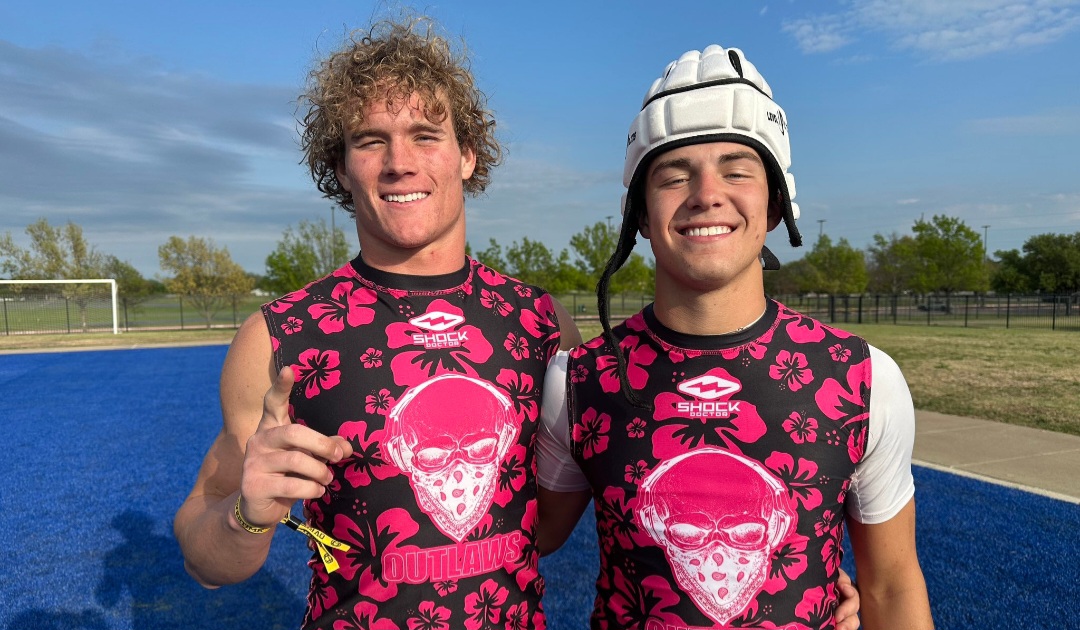
The latest evidence arrived when four-star athlete Bode Sparrow, the No. 1 player in Utah, chose Oklahoma over BYU, Utah and Oregon.
That commitment didn’t create Oklahoma’s Utah pipeline.
It confirmed it.
It Started Earlier Than Most Fans Realize
Many fans will point to Sparrow as the beginning of Oklahoma’s Utah success.
He’s actually the latest chapter.
The foundation was laid much earlier when offensive line coach Bill Bedenbaugh signed offensive lineman Darius Afalava in the 2025 recruiting class. At the time, it felt like an isolated recruiting win.
Now it looks like the opening move in a much larger strategy.
Afalava gave Oklahoma credibility inside Utah high school programs.
Then came four-star edge rusher Krew Jones.
Landing Jones wasn’t just about adding another blue-chip defender. It established Oklahoma as a legitimate destination for Utah’s elite defensive prospects. Jones quickly embraced the role of peer recruiter, helping sell other in-state stars on the vision Brent Venables had for the program.
That effort paid off in spectacular fashion.
When Sparrow announced his commitment, one of the first people celebrating publicly was Jones, who had spent months encouraging his fellow Utah standout to join him in Norman.
Recruiting staffs build relationships.
Elite recruiting classes are built when players recruit players.
Oklahoma now has both.
The SEC Changed Everything
Timing matters in recruiting.
Oklahoma’s move into the SEC couldn’t have come at a better moment for expanding westward.
The collapse of the Pac-12 fundamentally changed the recruiting landscape across the western United States.
For years, elite Utah prospects naturally gravitated toward traditional Pac-12 powers like USC, Oregon, Washington and UCLA. Those programs represented the highest level of football available in the region.
That equation no longer exists.
Now the nation’s premier football brands reside overwhelmingly in the SEC and the Big Ten.
For a player like Sparrow, the opportunity to compete every Saturday against programs such as Georgia, Alabama, LSU and Texas carries enormous appeal.
It’s no coincidence that one of the biggest reasons Sparrow cited for choosing Oklahoma was the opportunity to develop in the SEC while preparing for the NFL.
The conference logo on Oklahoma’s jersey has become one of the program’s strongest recruiting tools.
Brent Venables Is Selling More Than Football
Winning recruiting battles requires more than facilities and NIL opportunities.
Venables understands something many coaches overlook.
Families choose programs just as much as players do.
That philosophy has become one of Oklahoma’s greatest strengths.
Throughout Utah, football culture revolves around family, trust, accountability and long-term relationships. Those values align remarkably well with the culture Venables has intentionally created in Norman.
The Sooners consistently emphasize personal development alongside football development through their S.O.U.L. Mission program and a coaching staff that prioritizes relationships before transactions.
That’s exactly what resonated with Sparrow.
It’s exactly what resonated with Jones.
And it’s becoming increasingly attractive to prospects throughout the Mountain West.
Brandon Hall Deserves More Credit
Head coaches often receive the headlines, but recruiting pipelines usually begin with position coaches.
In this case, Brandon Hall deserves enormous recognition.
The Sooners’ safeties coach identified Sparrow long before many national programs fully appreciated what they were seeing.
Most schools evaluated Sparrow primarily as an athlete.
Hall saw an elite safety.
More importantly, he spent months building trust with Sparrow and his family before Oklahoma became the trendy pick.
By the time Oregon, BYU and Utah intensified their pursuit, Oklahoma wasn’t introducing itself.
It already had the strongest relationship in the recruitment.
That’s how pipelines are created.
They aren’t built overnight.
They’re built months—sometimes years—before commitment day arrives.
Oklahoma Is Winning the Right Battles
Perhaps the most impressive aspect of Oklahoma’s Utah success isn’t simply who they’re landing.
It’s who they’re beating.
Sparrow chose Oklahoma over three schools with compelling arguments.
BYU offered family proximity and cultural familiarity.
Utah offered the chance to become the hometown hero.
Oregon offered one of the nation’s premier brands for defensive back development.
Yet Oklahoma still won.
Jones faced equally impressive competition before selecting the Sooners over programs like Ohio State, USC, Tennessee, Oregon, Nebraska, Utah and BYU.
These aren’t regional victories.
They’re national recruiting wins.
That’s an entirely different level of program building.
The Pipeline May Not Be Finished
The story isn’t over.
Far from it.
The next name every Oklahoma fan should know is four-star defensive end Uhila Wolfgramm.
The Spanish Fork standout has narrowed his recruitment to Oklahoma and BYU after completing official visits across the country. By his own admission, Oklahoma’s visit made it “hard not to commit.”
That’s about as encouraging a quote as a coaching staff can hear.
Now the Sooners wait.
Adding Wolfgramm would complete an extraordinary recruiting run that would give Oklahoma commitments from three of Utah’s premier defensive prospects in the 2027 cycle.
More importantly, it would further validate something that no longer looks temporary.
It looks sustainable.
This Is What National Recruiting Looks Like
Elite programs don’t limit themselves geographically.
They identify emerging talent markets before everyone else.
They build relationships early.
They create cultural fits that extend beyond football.
Then they consistently beat local powers on their own turf.
That’s exactly what Oklahoma is doing.
For nearly twenty years, the Sooners rarely signed a high school player from Utah. Now they’ve landed Darius Afalava, Krew Jones and Bode Sparrow in consecutive cycles, while remaining squarely in contention for Wolfgramm.
That’s not coincidence.
That’s strategy.
The Sooners still recruit Texas as aggressively as ever.
They’ll always prioritize Oklahoma.
But under Brent Venables, the recruiting map has grown considerably larger.
Utah has become more than another state where Oklahoma occasionally lands a prospect.
It’s becoming one of the most intriguing recruiting pipelines in the country.
And if Wolfgramm is next, the Sooners won’t just have planted a flag in the Beehive State.
They’ll have established a permanent address.