Losses have a way of revealing truths that wins conveniently hide.
On Tuesday night in San Antonio, the Oklahoma City Thunder took one on the chin — a 130–110 loss to the Spurs that felt jarring not because it happened, but because of how it happened. The fourth quarter slipped away, the margins ballooned, and for the second time in a short stretch, San Antonio walked off the floor having solved something Oklahoma City didn’t adjust to quickly enough.
And yet, if your takeaway from this game is panic, regression, or some ominous warning sign about the Thunder’s legitimacy, you’re missing the point.
This loss wasn’t an exposure. It was a challenge.
And championship-level teams are defined by how they respond to challenges — not by pretending they don’t exist.
When Control Slips, It Slips Fast
For three quarters, this game lived in the margins. The lead changed hands. The tempo ebbed and flowed. Oklahoma City wasn’t dominant, but it wasn’t drowning either. Shai Gilgeous-Alexander was in rhythm. The offense had stretches of flow. The Spurs were good — not overwhelming.
Then came the fourth quarter.
San Antonio didn’t just win it. They owned it.
The Spurs turned defensive pressure into transition buckets, spacing into driving lanes, and patience into decisive scoring runs. Oklahoma City, by contrast, drifted. Possessions became shorter. Defensive rotations arrived a step late. What had been a competitive contest turned into a runaway in less than six minutes.
That kind of swing doesn’t happen by accident. It happens when one team recognizes a weakness and relentlessly presses it — and the other doesn’t counter quickly enough.
That’s the uncomfortable truth Oklahoma City has to sit with after this one.
The Spurs’ Blueprint
Give San Antonio credit: this wasn’t some fluke shooting night or emotional spike. It was execution.
The Spurs attacked Oklahoma City’s perimeter defense with purpose, forcing switches and exploiting space before help could arrive. They moved the ball until something cracked — and when it did, they went straight through it. Keldon Johnson’s scoring wasn’t flashy, but it was timely. Stephon Castle’s presence steadied the offense when OKC tried to speed things up.
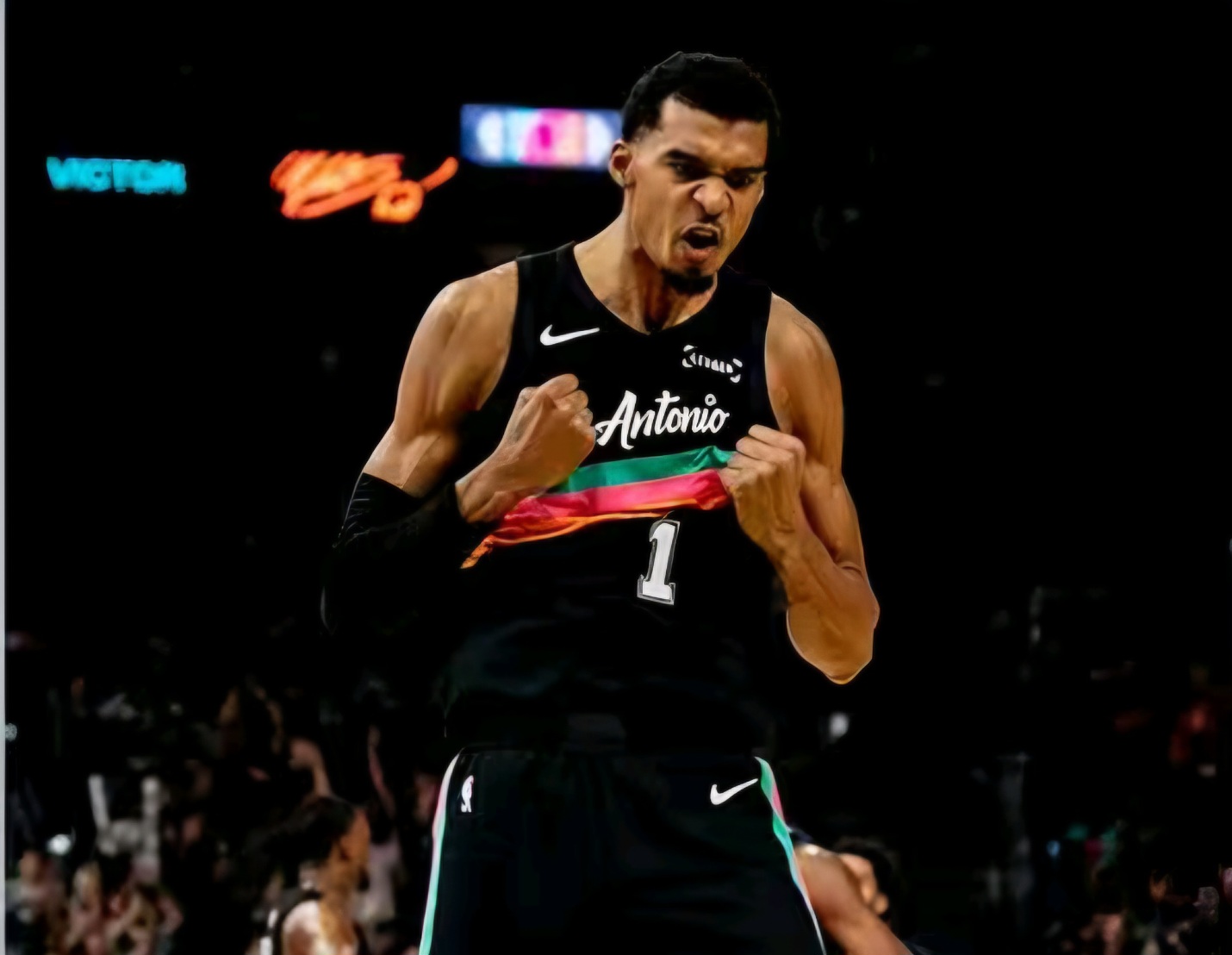
And even when Victor Wembanyama wasn’t dominating the box score, his gravity mattered. His mere presence reshaped Oklahoma City’s defensive decisions, pulling help inward and opening lanes elsewhere. That’s superstar impact without needing a highlight package.
This wasn’t San Antonio catching Oklahoma City off guard. This was San Antonio meeting them at the same level of seriousness — and then out-executing them when the game tightened.
Shai Can’t Save You Every Night
Shai Gilgeous-Alexander scored 33 points, and somehow it felt quieter than usual. Not because he struggled — he didn’t — but because the game never tilted in his favor the way Thunder wins so often do.
That’s not a criticism. It’s reality.
The Thunder have spent much of this season living in the comfort of Shai’s inevitability. When things wobble, he steadies them. When runs appear, he halts them. When chaos creeps in, he simplifies.
But against San Antonio, the Spurs refused to let one man dictate the outcome. They showed bodies early. They closed gaps late. And when Shai scored anyway, they absorbed it and kept attacking elsewhere.
That’s playoff basketball behavior.
The lesson here isn’t that Shai wasn’t enough — it’s that Oklahoma City has reached the stage where opponents are actively planning to make sure he can’t be enough on his own.
That’s growth. It just doesn’t feel good in the moment.
The Real Issue: Late-Game Identity
If there’s one concern worth circling after this loss, it’s not effort or toughness. It’s late-game clarity.
Oklahoma City didn’t lose because they stopped trying. They lost because, in the fourth quarter, their identity blurred. The ball didn’t move with the same purpose. Defensive communication slipped. The precision that defines their best stretches evaporated under pressure.
This isn’t about youth — at least not in the dismissive way people like to frame it. It’s about reps. It’s about encountering teams that know how to bend games without breaking rules. It’s about learning how to counter when your first answer gets neutralized.
San Antonio asked Oklahoma City a difficult question Tuesday night:
What do you become when your rhythm is disrupted and the game slows down?
The Thunder didn’t have a great answer. Yet.
Perspective Matters
Here’s the part that must be said loudly, clearly, and without drama: Oklahoma City is still one of the best teams in basketball.
This loss does not erase months of dominance. It does not invalidate their defensive identity. It does not suggest they’re suddenly vulnerable to every competent opponent.
What it does do is sharpen the picture.
The Spurs have now accounted for a disproportionate share of Oklahoma City’s losses, and that’s not coincidence. San Antonio is athletic, disciplined, and increasingly confident. They don’t fear OKC’s speed. They don’t rush against OKC’s defense. And they’re comfortable playing a possession-by-possession game when others panic.
That makes them valuable measuring stick opponents — the kind contenders need before spring arrives.
Why This Loss Might Matter More Than a Win
Blowouts lull teams into false security. Close wins can hide cracks. But losses like this — clean, decisive, and unmistakable — demand attention.
Mark Daigneault will pour over this film. Not to scold, but to diagnose. Where did rotations lag? Where did offensive flow stagnate? Which lineups lost traction? Which decisions compounded under pressure?
These are the questions elite teams ask before they’re forced to answer them on the biggest stage.
And the Thunder have the luxury of asking them now.
The Response Is the Story
The most important thing about Tuesday night’s loss is not the final score. It’s what happens next.
Does Oklahoma City tighten its late-game execution? Do secondary scorers assert themselves more aggressively when Shai is crowded? Does the defense rediscover its edge when opponents stop blinking?
The answers will come quickly — and that’s a good thing.
Because if there’s one thing this Thunder team has shown all season, it’s a willingness to learn without unraveling.
San Antonio didn’t expose them. They challenged them.
And contenders should welcome challenges — especially the ones that remind you the climb isn’t finished yet.
Follow us on Instagram & Facebook