Sometimes a loss tells you more than a win ever could.
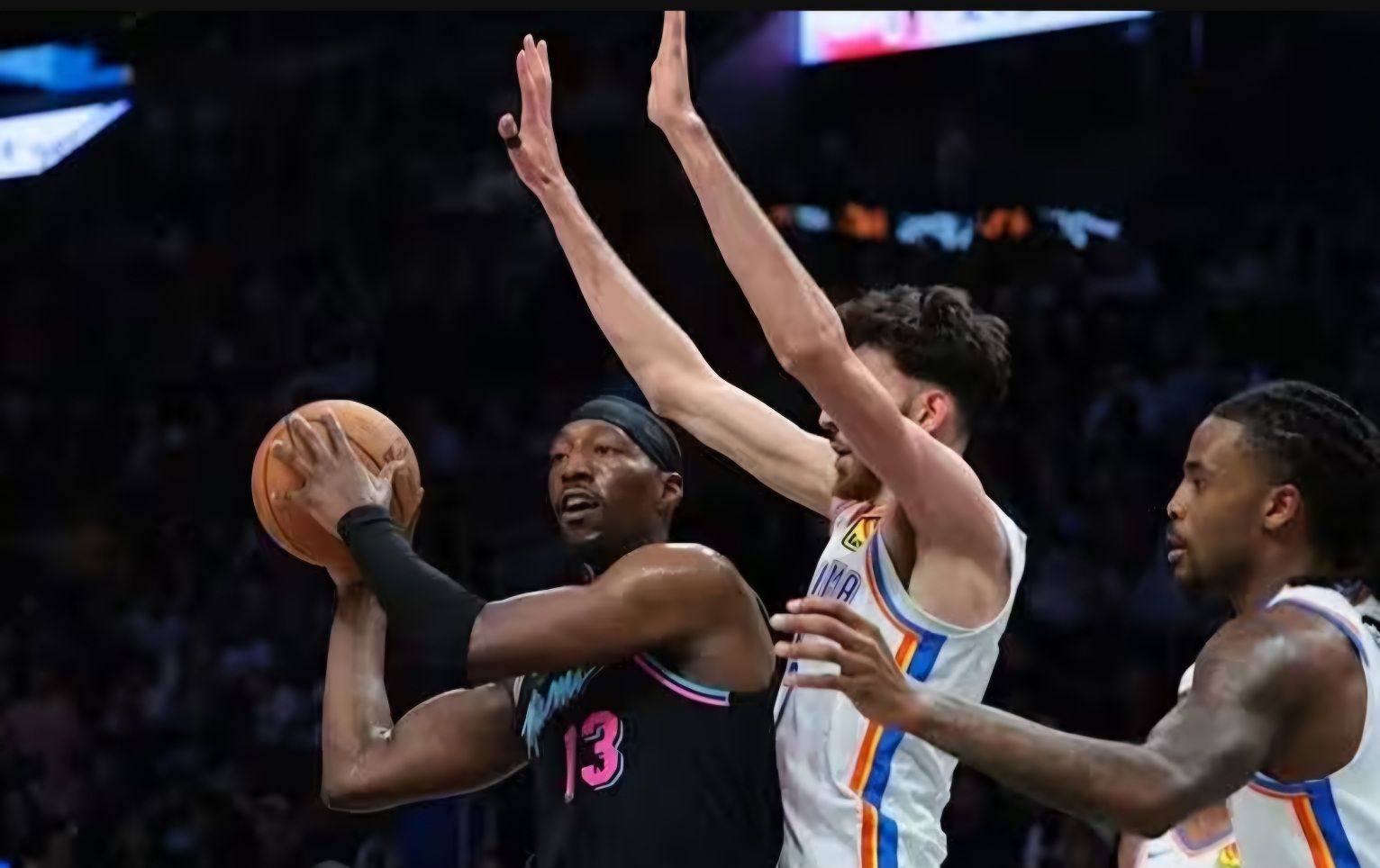
The Oklahoma City Thunder walked out of the Kaseya Center last night with a 122–120 loss to the Miami Heat, their five-game winning streak snapped by a late Andrew Wiggins three-pointer and a final shot that wouldn’t fall. On the surface, it looked like a tough road loss against a veteran Eastern Conference team playing desperate basketball at home.
Dig deeper, though, and this game felt like something more revealing — a reminder of where the Thunder still have room to grow, and why their margin for error narrows when the postseason-style pressure starts creeping into late February games.
Because for the first time all season, Oklahoma City scored 120 points and still walked away defeated.
That fact alone should give this loss weight.
A Night That Should’ve Been Enough
Let’s start with the obvious. Shai Gilgeous-Alexander was brilliant. Again.
Thirty-nine points. Calm control. Ruthless efficiency. He bent Miami’s defense for most of the night, getting to his spots, punishing switches, and doing exactly what franchise superstars do when the game slows down.
On most nights, that’s enough.
Aaron Wiggins chipped in 18 points and battled on the glass. Chet Holmgren logged a double-double with 14 points and 11 rebounds, anchoring stretches defensively and giving OKC second looks offensively. The Thunder shot well enough, moved the ball well enough, and — until the final minute — looked composed enough to extend their winning streak to six.
But basketball games aren’t won on “enough.” They’re decided by execution, physicality, and composure when the room tightens.
Miami was better in those moments.
The Possession That Changed Everything
With 31 seconds left, Andrew Wiggins buried a go-ahead three that felt heavier than the points it added to the scoreboard. It wasn’t just a shot — it was the culmination of Miami’s patience and physicality finally cracking Oklahoma City’s defense late.
That bucket forced the Thunder into scramble mode, and what followed were two possessions that told the entire story of the night.
First came the missed alley-oop. An aggressive idea, a split-second late, a dunk that didn’t finish. Not a catastrophic mistake, but one of those plays that feels magnified when you replay the final sequence.
Then came the last possession. After a stop and a timeout, OKC got a clean look — just not from the player you’d expect.
Alex Caruso’s three at the buzzer hit the backboard and rimmed out. Game over.
And while it’s easy to second-guess who took the final shot, that’s not where this loss was decided.
It was decided long before the clock dipped under 10 seconds.
The Game Was Lost on the Glass
If there is one stat that should be circled, underlined, and taped to the Thunder’s film room wall, it’s this:
Miami grabbed 21 offensive rebounds.
Those 21 rebounds turned into 33 second-chance points, a number that quietly swallowed Oklahoma City whole over the course of 48 minutes.
This wasn’t a schematic failure. It was a physical one.
Bam Adebayo was relentless, finishing with 30 points and 12 rebounds, repeatedly winning space and creating extra possessions. Miami guards crashed from the perimeter. Loose balls belonged to the Heat. Misses didn’t feel like stops — they felt like delays.
You can survive a few of those possessions.
You can’t survive 21.
For a Thunder team built on pace, precision, and forcing turnovers, extended defensive possessions are poison. Miami understood that. Oklahoma City couldn’t consistently stop it.
The Jalen Williams Variable
Then there’s the part of this game that looms larger than the box score.
Jalen Williams left in the second quarter with right thigh soreness and never returned. His absence didn’t crater the Thunder immediately, but it changed the texture of the game.
Williams is OKC’s pressure valve — the player who can punish over-help, slash through traps, and keep the offense functional when Shai is doubled. Without him, Miami became increasingly comfortable selling out on Gilgeous-Alexander late.
And they did.
The Heat aggressively double-teamed SGA in the final minutes, forcing the ball out of his hands and daring others to beat them. That strategy worked, not because Oklahoma City lacks talent, but because it lacks clutch reps in crunch time with the ball in someone else’s hands.
This is the next step. This is what teams do when you arrive.
A Loss That Still Confirms the Ceiling
Here’s the important part: this loss does not diminish what Oklahoma City is building.
In fact, it reinforces it.
The Thunder were 24–0 when scoring 120 or more points before last night. That’s dominance. That’s identity. That’s consistency.
But the postseason doesn’t care about trends. It cares about details.
Can you finish defensive possessions?
Can you withstand physical teams?
Can you execute when your first option is taken away?
Miami answered “yes” to all three. Oklahoma City is still learning how.
That’s not an indictment — it’s a timeline.
Why This One Will Stick
This wasn’t a bad loss. It wasn’t a collapse. It wasn’t a sign of regression.
It was a measuring stick.
The Thunder played well enough to win and didn’t. They faced a veteran team that knew exactly how to squeeze the final five minutes and did it without panic.
Those are the games that build contenders — not because you win them, but because you remember them.
Oklahoma City will remember this one.
They’ll remember the offensive rebounds.
They’ll remember the traps.
They’ll remember the missed dunk.
They’ll remember the silence after the buzzer.
And when April turns into May, they’ll be better prepared for it.
Because sometimes, the most important streak isn’t the one you extend.
It’s the one that ends — and teaches you why.
Follow us on Instagram & Facebook